How to Transport Koi Fish: A Look Into How We Do It
Apr 9th 2026

Apr 9th 2026
Moving koi isn’t a toss-them-in-a-container type of job. Every part of the trip needs planning, calm handling, proper equipment, and a system that keeps things organized from the first net to the final release. At Fitz’s Fish Ponds, safely transporting koi is part of the work we do every day, whether we’re receiving major shipments, delivering hand-selected fish, or moving showcase koi for special events.
Our team has handled large koi arrivals from Japan, coordinated winter shipment days, and managed customer deliveries where timing and preparation had to be right from start to finish. Keep reading to learn more about how to transport koi to their new home.
A koi move starts long before a fish ever reaches the bag. The goal is simple: keep the trip clean, controlled, and as steady as possible. That sounds easy on paper, though the reality is that travel changes everything around the fish. Water volume is limited. Space is limited. Time matters. Temperature matters. Handling matters.
That’s why a good transport plan isn’t built around luck... It’s built around a process.
A rushed move can create problems fast. Water can foul. Bags can shift. Fish can bang against the sides. Temperature can swing more than expected. A short trip can turn into a long one if traffic, weather, or logistics don’t go your way. A professional approach leaves room for those variables instead of pretending they won’t happen.
At FFP, we treat transport like a chain of connected steps. Catching, bagging, oxygenation, loading, driving, unloading, and acclimation all affect the outcome. One weak link can throw off the entire move. A smooth trip usually comes down to the little things being done right every single time.
|
Transport Planning Element |
Why It Matters |
|
Controlled Trip Conditions |
A successful koi move depends on keeping the trip clean, controlled, and as steady as possible from start to finish. |
|
Limited Water and Space |
Transport changes the fish’s environment quickly since water volume, space, and time are all limited once the trip begins. |
|
Temperature and Handling Control |
Temperature swings and poor handling can create stress quickly, so each move needs careful control rather than guesswork. |
|
Process Over Luck |
A strong transport plan relies on a repeatable process, not luck, so the move stays stable even when conditions shift. |
|
Preparation for Delays |
Traffic, weather, and logistics can stretch a short trip into a longer one, so planning needs to account for those variables. |
|
Connected Transport Steps |
Catching, bagging, oxygenation, loading, driving, unloading, and acclimation are all connected, and a weak step can affect the entire move. |
|
Consistency in Execution |
Smooth trips usually come down to small details being handled correctly every single time. |
Koi are strong fish, though they still respond to change. New containers, tight quarters, travel vibration, and changing water conditions can all add pressure to the move. That’s why our first priority is keeping the experience calm and controlled.
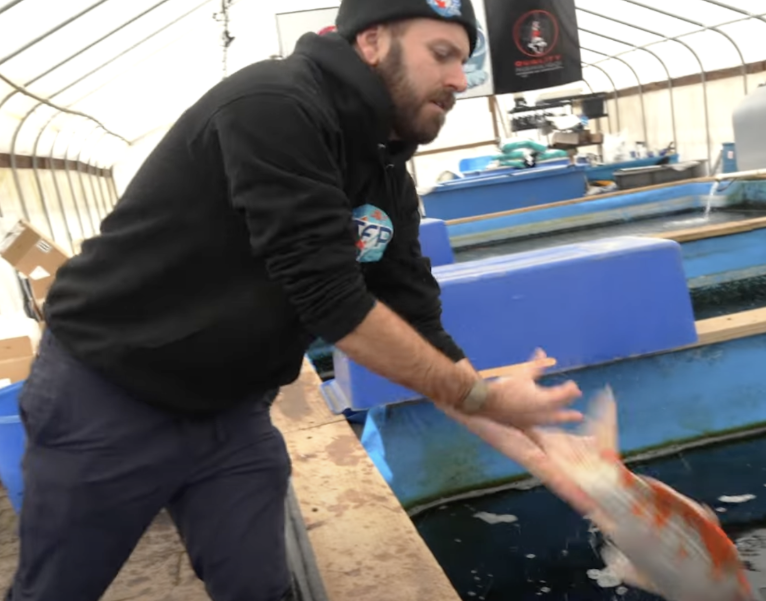
A steady pace helps more than people realize. Wild chasing with a net, noisy surroundings, or rough transfers can make a koi thrash before the trip even begins. We keep the process deliberate. The fish is guided, not rushed. The setup is ready before the koi is moved. The bag is prepared before the koi is introduced. The vehicle is lined up before loading starts.
Professional koi transport also means choosing the right fish for the right bag, not forcing a one-size-fits-all setup. Size, body shape, trip length, and weather all play a role. Larger koi need more room to settle properly. Valuable koi need extra attention to prevent rubbing or sudden movement inside the bag. A short local delivery and a long haul don’t get packed the same way, and they shouldn’t.
Most transport problems come down to two things: physical impact and declining water conditions.
Physical impact happens when a fish has too much room to slam around or not enough support to stay stable. A bag that’s packed correctly gives the koi enough space to rest without creating a rolling environment every time the vehicle turns or brakes. The bag itself needs to be strong, sealed correctly, and positioned to keep it secure during travel.
Water issues can build quietly. Waste, oxygen use, and temperature shifts all change the environment inside the bag. That’s why preparation matters so much. A trip that starts with clean water and proper oxygen is already in a better spot than one that starts with whatever was convenient at the time.
This is also why we don’t look at koi transport as a side task. It’s part of pond management. The move affects the fish, the receiving system, and the next few days after arrival. A clean trip makes the transition easier on both ends.
|
Transport Protection Factor |
Why It Matters |
|
Physical Impact Control |
Most transport problems start with physical impact, especially when a koi has too much room to slam around or not enough support to stay stable. |
|
Proper Bag Fit |
A correctly packed bag gives the koi enough space to rest without creating a rolling environment every time the vehicle turns or brakes. |
|
Secure Bag Construction |
The bag needs to be strong, properly sealed, and securely positioned so it stays stable throughout the trip. |
|
Water Quality Management |
Declining water conditions are among the biggest transport risks because waste, oxygen use, and temperature shifts can quietly alter the environment inside the bag. |
|
Clean Starting Water |
A trip that begins with clean water puts the fish in a much better position than one that starts with whatever water is available. |
|
Proper Oxygenation |
Clean water, paired with adequate oxygen, provides the koi with a more stable transport environment from the start. |
|
Standard Transport Routine |
Oxygenated bagging and careful acclimation are standard parts of a professional transport process, whether the move involves one koi or a larger shipment. |
|
Transport as Pond Management |
Koi transport is not a side task since the move affects the fish, the receiving system, and the days immediately following arrival. |
|
Easier Transition After Arrival |
A clean, well-managed trip helps make the transition smoother for both the koi and the receiving pond system. |
Preparation starts with the fish, the route, and the destination. Read our complete guide on the process of shipping koi fish from Japan to our Farm in Milford, NJ.
First, we confirm where the koi is going and what kind of trip it’s making.
Is it a local move across town?
A longer road trip?
A coordinated delivery with a fixed arrival window?
That gives us the framework for everything else.
Next, we get the equipment ready before catching the koi. Nets, bowls, bags, bands, oxygen, insulated boxes or transport containers, towels, and backup materials all need to be in place. Nothing slows down a fish's move like scrambling for missing supplies while the koi is already in hand.
We also look at the receiving side. The pond or holding tank should be ready before the fish arrives. Water level, filtration, aeration, access, and acclimation setup should already be figured out. A great transport can still go sideways if the destination isn’t prepared for it.
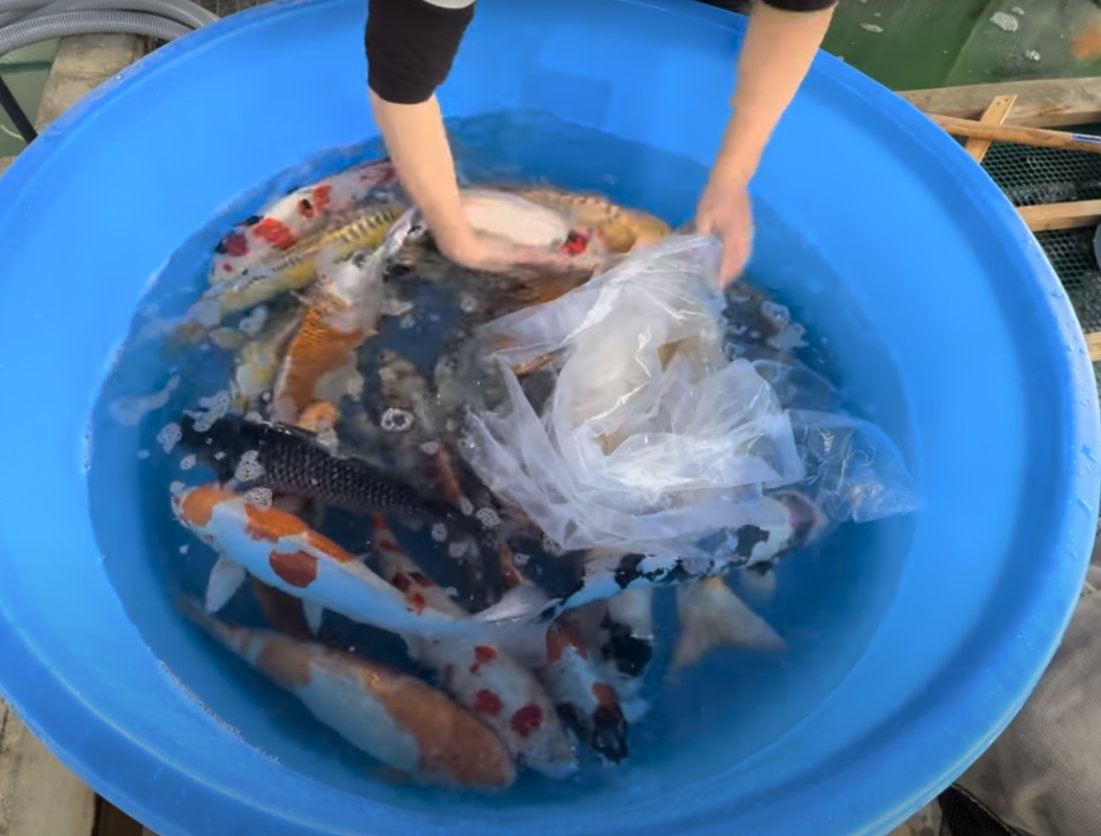
This behind-the-scenes planning is a huge part of transporting koi fish properly. Most people picture the bagging process. The real work starts before that.
|
Preparation Step |
Why It Matters |
|
Confirm the Trip Type |
Start by confirming where the koi is going and what kind of trip it will make, whether that is a local move, a longer road trip, or a timed delivery with a fixed arrival window. |
|
Build the Transport Framework |
Once the trip details are clear, they create the framework for the rest of the transport plan. |
|
Prepare Equipment in Advance |
Nets, bowls, bags, bands, oxygen, insulated boxes or transport containers, towels, and backup materials should all be ready before the koi is caught. |
|
Avoid Delays During Handling |
Scrambling for missing supplies while the koi is already in hand slows the move down and adds unnecessary stress to the fish. |
|
Check the Receiving Side |
The destination pond or holding tank should be fully prepared before the koi arrives. |
|
Prepare Water and Filtration |
Water level, filtration, aeration, access, and acclimation setup all need to be worked out in advance. |
|
Protect the Full Transport Process |
Even a well-executed move can go wrong if the receiving destination is not ready. |
|
Focus on Behind-the-Scenes Planning |
Most people picture the bagging process, though the real work begins long before that step. |
The gear matters because the gear supports the process.
Fish transport bags are a core part of the setup. They need to be durable, sized correctly, and suited for the fish being moved. We don’t treat bags like a generic supply item. They’re a piece of life-support for the trip.
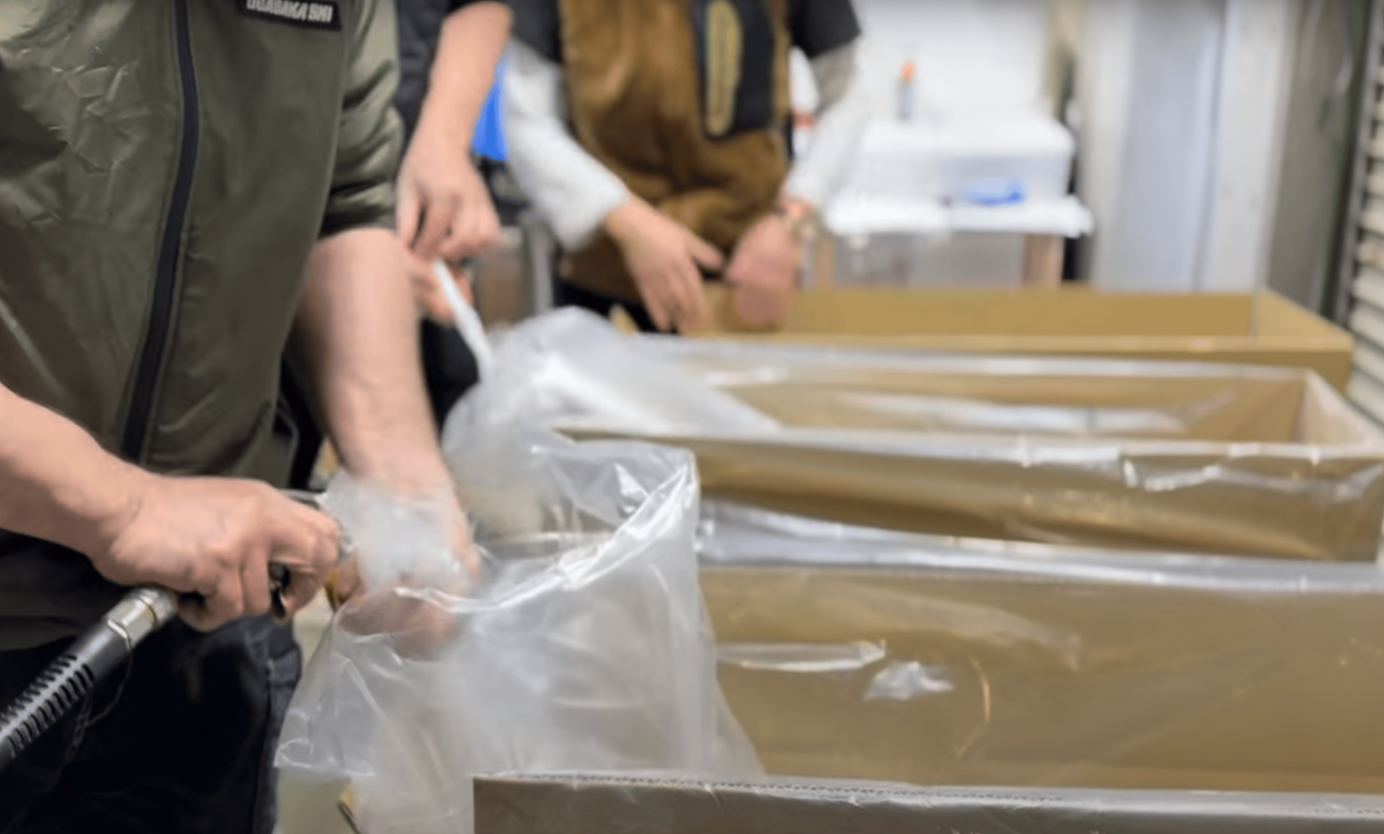
Oxygen is another major piece. Standard air isn’t the same as a properly oxygenated transport setup. That extra control helps the fish settle in for the ride and keeps the bag environment more stable over time.
Rubber bands or secure closures matter because a good bag isn’t much good if it isn’t sealed properly. Insulated boxes or covered transport containers help shield the bags from outside temperature changes and from movement during loading and unloading. Clean nets and bowls help with controlled transfers. Vehicles with enough interior space matter, too, since crushed bags and shifting containers can create problems in a hurry.
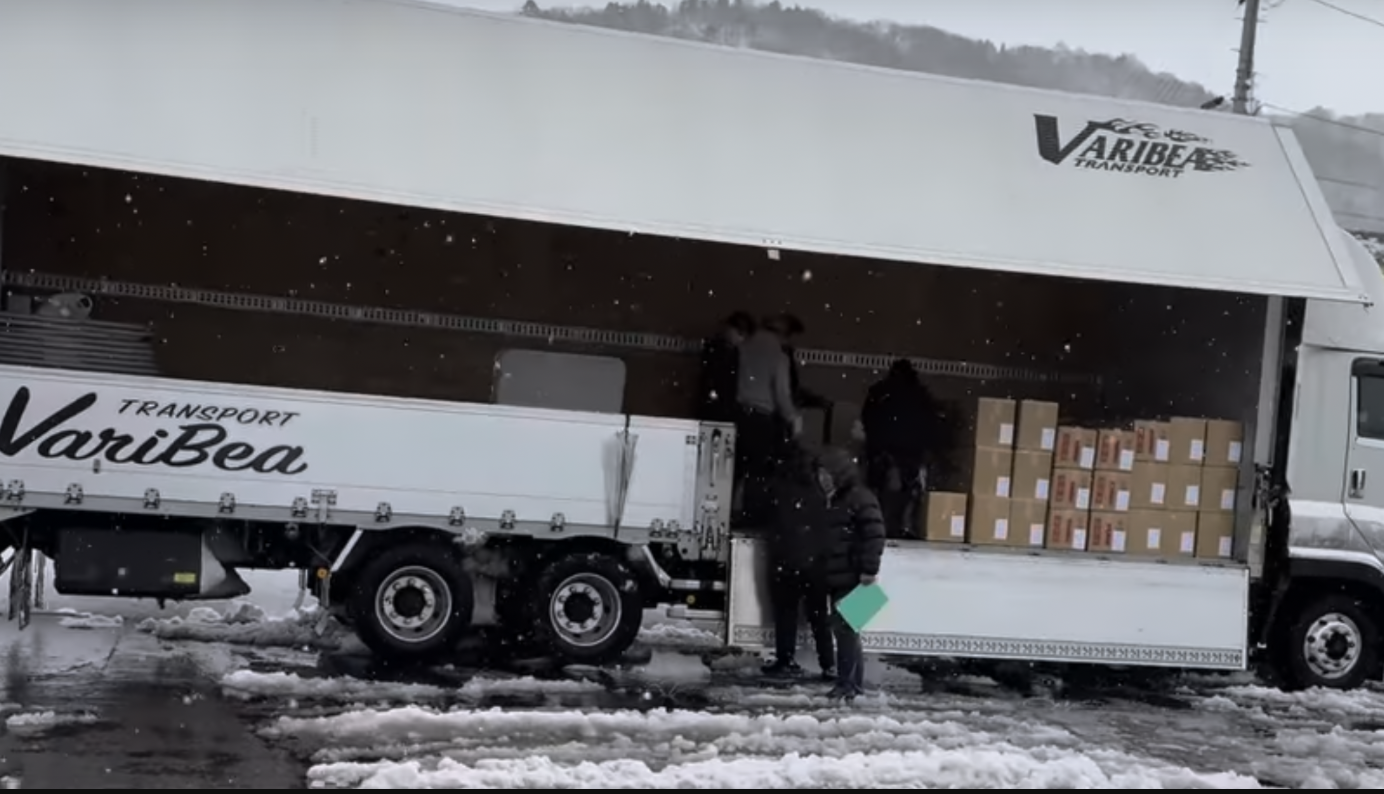
We start with a prepared work area. That means the bag is open and ready, the oxygen setup is in place, the container is nearby, and the route from the pond to the vehicle is clear. The koi is then caught calmly and transferred with control, not speed for its own sake.
Once the fish is in the bag, water volume is set appropriately for the size of the koi and the length of the trip. Oxygen is added, the bag is secured, and the sealed bag is placed in its travel container to keep it upright and protected. From there, loading is done carefully to keep the bags stable.
During travel, the goal is a smooth ride. Sharp stops, quick cornering, and unnecessary delays don’t help. We keep the route practical and avoid turning the delivery into a string of extra errands. Direct is better. Organization is better.
Upon arrival, we don’t rush the release. The fish needs time to adjust. The bag is floated or otherwise temperature-matched, and the koi is introduced in a controlled way rather than dumped straight in. That final step is just as important as the drive itself.
Long-distance trips need even more discipline. The longer the koi is in the bag, the less room there is for sloppy planning.
Koi can remain in shipping bags for up to 48 hours. But that doesn’t mean every koi should be kept bagged that long without a reason. It means long trips need to be packed and timed properly from the start.
For longer moves, every decision carries more weight. Bag sizing, oxygen levels, insulation, route timing, loading order, and destination prep all need to line up. Large koi may require more specialized handling, and multi-fish moves require a clean system to prevent anything from getting mixed up during unloading.
Long-distance koi transport also benefits from having a team, not just a driver. One person can focus on the road while another handles checks, unloading coordination, and communication with the receiving side.
|
Long-Distance Koi Transport Factor |
Why It Matters |
What Needs to Happen |
|
Time in the bag |
Longer trips leave less room for mistakes |
Plan the move carefully from the beginning and avoid unnecessary delays |
|
Trip duration limits |
Koi can stay bagged for long stretches in the right setup, though that shouldn’t be routine without a reason |
Use long bag times only when the transport plan, oxygen, and timing are fully dialed in |
|
Bag sizing |
Poor bag fit can create stress and movement issues |
Match the bag size to the koi and the length of the trip |
|
Oxygen levels |
Oxygen supports the fish through longer travel windows |
Use oxygen-filled bagging and check that the setup is ready before departure |
|
Insulation |
Outside conditions can affect the transport environment |
Keep bags protected with proper insulation during the trip |
|
Route timing |
Delays can add avoidable stress to the move |
Choose the most direct route and keep the schedule tight |
|
Loading order |
Disorganized loading can create confusion upon arrival |
Load fish in a system that makes unloading clear and efficient |
|
Destination prep |
A smooth trip can still go wrong if the receiving side isn’t ready |
Make sure the pond or holding area is fully prepared before arrival |
|
Large koi handling |
Bigger koi often need more control and more specialized handling |
Use equipment and handling methods that match the fish’s size |
|
Multi-fish organization |
Multiple fish increase the chance of mix-ups during unloading |
Label, sort, and track each fish with a clean system |
|
Team coordination |
Long trips run smoother when duties are split properly |
Have one person focus on driving while another handles checks, unloading, and communication |
|
Professional structure |
Improvised moves tend to miss important details |
Follow a disciplined process from packing through final release |
Arrival isn’t the finish line. It’s the handoff from transport to recovery. After transport, quarantining koi gives them time to settle into a controlled environment before being introduced to the main pond. A separate quarantine tank makes it easier to observe swimming behavior, appetite, and overall adjustment while keeping the transition calm and organized.
This step also helps pond owners more closely monitor water conditions after travel, especially if the koi traveled long distances or arrived with other fish.
At Fitz’s Fish Ponds, the goal after transport is always a smooth landing, and quarantine is a smart part of that process because it gives each koi a chance to recover, acclimate, and ease into its new surroundings with less disruption.
To acclimate koi properly, we give the fish time to gradually settle into the new water. Temperature matching is a big part of that. A rushed release can create an abrupt change right after the stress of travel, and that’s not the way we do it.
The bag is allowed to adjust to the receiving water temperature before it is allowed to do so. After that, the release is handled calmly so the koi can ease into the pond or tank without extra commotion. The fish should have room to orient itself and settle down.
This is where koi care and pond management overlap again. A clean receiving system matters. Good circulation matters. A quiet introduction matters. A fish that’s been moved correctly still needs a smooth landing.
The biggest mistake is rushing. People rush to catch it. They rush the bagging. They rush the drive. Then they rush the release. That kind of pace creates avoidable problems.
Another common mistake is using the wrong supplies. Weak bags, poor seals, bad container support, or no oxygen plan can turn a simple move into a messy one. Fish transport bags aren’t the place to cut corners.
Poor destination prep is another issue. A koi shouldn’t arrive at a pond that’s still being filled, a tank that isn’t ready, or an access point that requires ten minutes of last-second rearranging. The receiving side should be ready before the fish leaves.
Many owners also underestimate the large koi's moves. Bigger fish need more planning, more control, and more space for handling. Trying to improvise with a jumbo koi usually doesn’t end well.
Then there’s the mistake of treating every trip the same. A short local koi transport and a long-distance koi shipping plan are two different jobs. The process can share the same foundation, though the details should match the actual move.
What makes our process work isn’t one magic trick. It’s repetition, preparation, and experience.
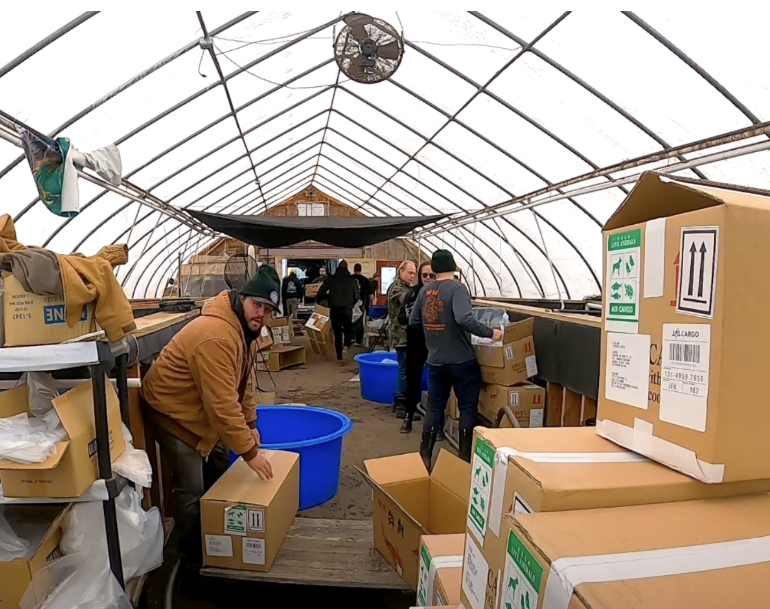
We’ve handled incoming shipments in cold weather, major import days with hundreds of boxes, customer deliveries, and high-visibility koi moves that had no room for sloppy execution. Those experiences shape the way we approach every fish move, large or small.
FFP has documented receiving 308 boxes containing 2,992 koi in one shipment and managing more than 400 boxes in another, which shows the level of coordination required on serious transport days. In reality, FFP can receive more than 2,000 boxes in a year, each containing thousands of koi. This fact illustrates the level of coordination and detail needed to maintain healthy koi and achieve a 99.9% alive arrival rate for both shipping and receiving.
This same mindset carries into everyday delivery work. Stay organized. Keep the fish calm. Use the right equipment. Prep the destination. Don’t skip acclimation.
That’s the behind-the-scenes reality of how to transport koi fish. The process looks smooth on delivery day because the details were handled before the trip even started.
A successful koi move is built on planning, not guesswork. Bagging, oxygen, loading, route, and acclimation all matter, and each step supports the next. That’s why we take koi transport seriously at every stage.
Whether it’s a local delivery, a long-haul move, or a major shipment day, the goal stays the same: a calm trip, a controlled arrival, and a setup that makes sense from start to finish. That’s how we carefully and delicately handle koi transport, and it’s why the process matters so much in the first place.
For pond owners, the takeaway is simple. Don’t wing it. Prepare the fish, prepare the equipment, prepare the destination, and let the move follow a clear plan.
That approach makes all the difference.
Shop for koi fish online at Fitz’s Fish Ponds and bring home a standout addition for your pond. From bold, eye-catching patterns to hand-selected quality you can count on, our collection is built for pond owners who want something special. Browse our available koi today and find the fish that fits your pond perfectly.
Got questions? Talk to an Expert Online or call us at (908) 420-9908.
| Hours | |
|---|---|
| sunday | 10:00-5:00 |
| monday | 9:00-6:00 |
| tuesday | 9:00-6:00 |
| wednesday | 9:00-6:00 |
| thursday | 9:00-6:00 |
| friday | 9:00-6:00 |
| saturday | 9:00-6:00 |
| Hours | |
|---|---|
| sunday | 10:00-5:00 |
| monday | 9:00-6:00 |
| tuesday | 9:00-6:00 |
| wednesday | 9:00-6:00 |
| thursday | 9:00-6:00 |
| friday | 9:00-6:00 |
| saturday | 9:00-6:00 |
| Hours | |
|---|---|
| sunday | 10:00-5:00 |
| monday | 9:00-6:00 |
| tuesday | 9:00-6:00 |
| wednesday | 9:00-6:00 |
| thursday | 9:00-6:00 |
| friday | 9:00-6:00 |
| saturday | 9:00-6:00 |
| Hours | |
|---|---|
| sunday | 10:00-5:00 |
| monday | 9:00-6:00 |
| tuesday | 9:00-6:00 |
| wednesday | 9:00-6:00 |
| thursday | 9:00-6:00 |
| friday | 9:00-6:00 |
| saturday | 9:00-6:00 |
| Hours | |
|---|---|
| sunday | Closed |
| monday | 9:00-5:00 |
| tuesday | 9:00-5:00 |
| wednesday | 9:00-5:00 |
| thursday | 9:00-5:00 |
| friday | 9:00-5:00 |
| saturday | Closed |
| Hours | |
|---|---|
| sunday | 10:00-5:00 |
| monday | 9:00-6:00 |
| tuesday | 9:00-6:00 |
| wednesday | 9:00-6:00 |
| thursday | 9:00-6:00 |
| friday | 9:00-6:00 |
| saturday | 9:00-6:00 |
| Hours | |
|---|---|
| sunday | Closed |
| monday | 9:00-6:00 |
| tuesday | 9:00-6:00 |
| wednesday | 9:00-6:00 |
| thursday | 9:00-6:00 |
| friday | 9:00-6:00 |
| saturday | 9:00-6:00 |
| Hours | |
|---|---|
| Sunday | Closed |
| Monday | Closed |
| Tuesday | 10:00-5:00 |
| Wednesday | 10:00-5:00 |
| Thursday | 10:00-5:00 |
| Friday | 10:00-5:00 |
| Saturday | 10:00-5:00 |
| Hours | |
|---|---|
| Sunday | 10:00-4:00 |
| Monday | Closed |
| Tuesday | 10:00-5:00 |
| Wednesday | 10:00-5:00 |
| Thursday | 10:00-5:00 |
| Friday | 10:00-5:00 |
| Saturday | 10:00-5:00 |